智能化信创软件 IDE 旨在将基础软件开发工具的核心技术实现自主可控,在拥抱开源... 展开 >
智能化信创软件 IDE
会议室:爱那里厅 2(三层)出品人:王亚伟
- Topic 1
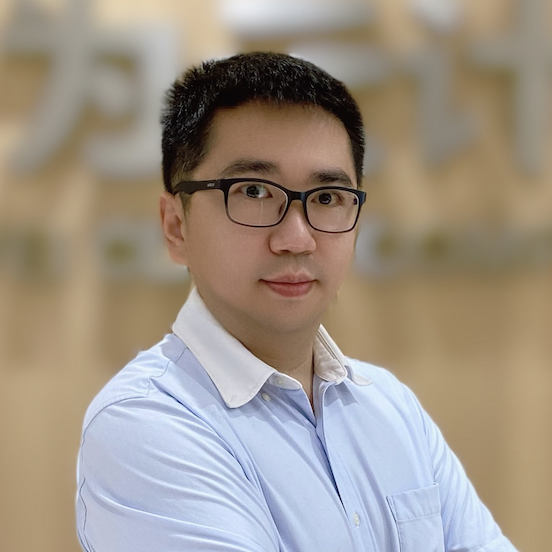
程啸
华为云 PaaS 技术创新 Lab 智能化软件工程首席工程师 - Topic 2

Pavel Petrochenko
华为 俄罗斯新西伯利亚软件开发工具云技术实验室主任、首席架构师 - Topic 3

Denis Denisenko
华为 俄罗斯新西伯利亚软件开发工具云技术实验室首席架构师 - Topic 4

Nikolai Tropin
华为 俄罗斯圣彼得堡软件开发工具云技术实验室、首席软件工程师

专题出品人:王亚伟
华为云开发工具和效率领域首席专家
王亚伟,华为云开发工具和效率领域首席专家,华为软件开发生产线 CodeArts 首席技术总监,当前领导一支国际化软件专家团队负责 CodeArts IDE 系列产品的研发和华为云开发者生态能力建设。加入华为前,曾任微软开发者事业部资深开发经理,在微软全球多个国家地区工作 13 年。近 20 年的云和开发工具的行业经验让他具备从底层技术、产品规划到开发者生态能力建设洞察的能力。王亚伟先生发表和被授予 20 多项软件开发技术相关的发明专利。QCon 全球软件开发大会(上海站)2022 出品人。
相关采访:
生成的代码会出错、质量差?面对 AI 编程工具的老大难问题,华为这群人打算这样做
被逼出来的自主可控,从华为自研看国产 IDE 的未来和商业模式
地点:爱那里厅 2(三层)
专题:智能化信创软件 IDE
智能化信创软件 IDE 旨在将基础软件开发工具的核心技术实现自主可控,在拥抱开源的同时逐步建立基于自有技术内核的架构和标准,形成自有开放生态。其另一大特征是 AI 原生,内核架构从最初的设计开始就思考如何无缝融入人工智能。本专题将围绕这两大特征展开讨论。
by 程啸
华为云
PaaS 技术创新 Lab 智能化软件工程首席工程师华为云智能辅助编程技术是一项致力于从智能生成、智能问答和智能协同三个方向探索开发新范式的技术。其核心目标是通过智能化需求管理分析、新增代码开发、存量代码优化、代码质量看护、应用便捷部署等多种研发场景,全方位地重塑软件开发,从而提升开发效率。CodeArts Snap 是华为云智能辅助编程技术的一个重要应用,利用华为云自主研发的代码大模型和软件分析技术,融入 CodeArts 系列 IDE 中,为开发者提供智能编程助手的功能。 CodeArts Snap 智能编程助手可以帮助开发者更高效、更可信地进行开发工作。
by Pavel Petrochenko
华为
俄罗斯新西伯利亚软件开发工具云技术实验室主任、首席架构师In this topic we will start from short history of applying AI to code completion and code generation tasks. Then we will discuss current use cases and applications of AI in IDEs; Outline our vision of challenges of successful application of AI to IDEs, share some real metrics and results of AI based tooling, quickly discuss current impact of AI on the development process. Then we will cover other use cases where AI can change the way how we develop, test and debug code and at the end we will outline our vision of how AI may change development process in upcoming years, evolution of AI based approaches as well as potential game changers.
Outline
1. History of AI + tooling
2. Current state of art
3. Practical contemporary challenges of applying AI
4. Light and Heavy AI
5. What we learned – some advices
6. Shape of the future how we feel it
Takeaway
- how and when utilize AI in their own tools,
- what are the likely changes in AI + tooling landscape in the future
by Denis Denisenko
华为
俄罗斯新西伯利亚软件开发工具云技术实验室首席架构师In this talk we will cover contemporary challenges and problems of current IDE platforms. We will start from a short history of IDE design, then we will go to problems that we encountered while working on our own IDE products, outline architectural and design decisions as well as trade-offs that we made during our journey. Then we will cover some insights on how UX and UI experience may evolve in near future. At the end we will present our vision of the future IDE platforms design, new requirements and opportunities that we think must be taken in account. As usually we also will cover potential impact of AI on the platforms and what we can expect in the near future.
Outline
1. What is the difference between IDE and IDE platform?
2. Evolution of the IDE platforms
3. What are the emerging challenges of IDE platforms
4. Our view of unified UX/UI ecosystem for the IDE platforms
5. What are the trade-offs that we do, what we believe will be an evolution of IDE platform.
6. How AI will change the platforms? What changes we can expect in 3-5 years?
Takeaway
- What is IDE platform, what are the requirements to the good platforms
- How they evolve over the time, current limitations
- How UX and UI depends from platform
- What are the emerging requirements to future platforms
by Nikolai Tropin
华为
俄罗斯圣彼得堡软件开发工具云技术实验室、首席软件工程师Type inference enginesis probably most important component in the area of the tooling for dynamically typed languages. We will start from explaining why it is important, what features depend on it, and what the key characteristics of type inference engines. Then we will cover main approaches that can be used for type inference, share design and implementation of our type inference engine, show some metrics of our solution as well as discuss further evolution and what we think coming next in the area.
Outline
1. What is type inference engine, why they are needed?
2. What are types of type inference engines in the world.
3. What are the extra requirements to the engine that are coming in IDE environment?
4. Our view on type inference process, our design of TI engine
5. Metrics, use cases, limitations
6. What is coming next?
Takeaway
- What is type inference engine, why it is important
- What approach we use and what we achieved so far
关注主办方(InfoQ)


联系我们
交通指南
上海中优城市万豪酒店
Shanghai Marriott Hotel Pudong South
地址:上海市浦东新区沪南公路7688弄上海中优城市广场1号楼1楼

Copyright © 2026, Geekbang Technology Ltd. All rights reserved. 极客邦控股(北京)有限公司 | 京 ICP 备 16027448 号 - 5 京公网安备 11010502039052号 | 产品资质
京公网安备 11010502039052号 | 产品资质

微信咨询


电话咨询
联系电话:+86 18514549229

领取往期热门演讲视频

如您在购票过程中遇到问题,请扫码咨询票务小姐姐